

You are not here by accident.

Free yourself from depression
Something brought you to this page, and if we had to guess, it's because the heaviness has lingered long enough that you're starting to wonder whether this is just how life feels now. Maybe getting out of bed takes everything you have. Maybe you're showing up for everyone around you while quietly running on empty. Maybe you've been told to pray more, think positively, or push through, and you're exhausted from trying.
Are You Sad — Or Are You Depressed?
We all have moments of sadness. A hard day, a disappointment, a season that just feels heavy. Those moments are real — but they usually lift with time, rest, or connection. Depression is different. It is a diagnosable mood disorder with symptoms that go deeper than sadness and last longer than a bad week. If you recognize yourself in any of these experiences, depression may be what you are carrying:
Waking up exhausted, no matter how much you sleep
Going through the motions at work, at home, or at church, but feeling disconnected from all of it
Losing interest in things that used to matter to you
Struggling to concentrate, make decisions, or follow through
Feeling hopeless, empty, or like a burden to the people around you
Crying without always knowing why, or wanting to cry and not being able to
Using food, busyness, social media, or isolation to manage the pain
Saying "I'm fine" so many times, you've almost convinced yourself
Depression is not a character flaw. It is not a faith failure. It is a human experience that deserves real, professional support.
Faith and Depression
In many faith communities, depression carries a particular kind of stigma. The quiet suggestion that struggling means your faith isn't strong enough. The well-meaning advice to pray more, trust God harder, or simply choose joy. And for many people, that message adds shame to an already unbearable weight.
We want to say this clearly: depression is not a spiritual failure. It is a medical and emotional reality that millions of people, including people of deep, genuine faith, experience every day. At 180 Evolution Therapy, we make space for both the clinical and the spiritual dimensions of depression. We don't use Scripture to minimize what you're feeling. And we don't ask you to choose between your healing and your faith. Here, both belong.



Our Approach to Depression Therapy
Evidence-Based Treatment
Cognitive Behavioral Therapy (CBT): Identifies and shifts the negative thought patterns that fuel depression.
Person-Centered Therapy: Honors your experience and keeps you at the center of your own healing.
Narrative Therapy: Helps you rewrite the stories depression has told you about yourself.
Reality Therapy: Reconnects you with your values and the life you actually want to be living.
Holistic Wellness Practices: Mindfulness training and somatic awareness to support whole-body healing.
The 180° Method and Depression
Mind - Identifying and releasing the narratives of hopelessness, shame, and worthlessness that depression uses to stay in control.
Spirit - Reconnecting with your faith, your sense of meaning, and the truth of who God says you are — even when depression makes that feel unreachable.
Body - Addressing the physical weight of depression through somatic awareness and mindfulness-based approaches.
Culture - Honoring the unique cultural pressures and generational wounds that shape how depression shows up for you specifically.
Growth - Rebuilding your sense of purpose, strengthening your boundaries, and developing habits that support sustained emotional wellness.
Community - Examining the relational patterns, attachment wounds, and isolation that often accompany depression and building a healthier foundation for connection.
Who We Help
We work with individuals across the Triangle and throughout North Carolina who are tired of carrying depression alone and ready to invest in their own healing. Our clients include devoted parents running on empty, professionals who appear successful but feel hollow inside, faith community members navigating spiritual and emotional pain simultaneously, BIPOC individuals carrying the compounded weight of personal and generational stress, and people who have been the strong ones for so long they have forgotten what it feels like to be cared for.

Don’t let fear or shame keep you from treating your depression
Depression has a way of convincing you that this is just how things are. You should be grateful for what you have. That other people have it worse. You just need to try harder. None of that is true. And you deserve real support, not just survival.
Schedule your free 15-minute consultation today and take the first step toward a life that feels like yours again.





You May Also Be Dealing With
Anxiety Therapy - When worry and low mood arrive together
Grief Counseling - When loss has settled into something deeper
Trauma Therapy - When depression is rooted in past experiences
Christian Counseling - When you want your faith woven into your healing


Frequently Asked Questions About Depression Therapy.
-
Sadness is a natural and healthy human emotion — one that typically responds to time, support, or a shift in circumstances. Clinical depression is something deeper. It is a diagnosable mood disorder characterized by a persistent cluster of symptoms lasting two weeks or longer: low mood, loss of interest or pleasure, disrupted sleep or appetite, difficulty concentrating, fatigue, and in some cases, feelings of worthlessness or hopelessness. Unlike ordinary sadness, clinical depression does not simply lift — it reshapes how you experience yourself, your relationships, and the world around you. Effective, evidence-based treatment can change that.
-
Psychotherapy is one of the most well-researched and effective treatments for depression, and for many people, it is a powerful first line of care. At the same time, healing is never one-size-fits-all. Your background, your lived experience, your cultural values, and the way depression has shown up in your life all shape what recovery looks like for you. During your initial assessment, we take the time to understand your full story, mental health history, current symptoms, strengths, and goals so we can build a treatment approach that is not only clinically sound but also genuinely suited to who you are.
-
There is no universal timeline for healing, and we would be cautious of any approach that suggests otherwise. The length of treatment depends on several factors: the nature and severity of your symptoms, how long you have been experiencing them, your personal history, and what you hope to gain from therapy. Some clients begin to experience meaningful relief and renewed functioning within a few months of consistent work. Others find that longer-term support allows them to address deeper patterns, process complex experiences, or simply have a sustained space for growth. What we can promise is that your progress will never be taken for granted. We check in regularly, reassess together, and adjust your care as your needs evolve. This is your journey, and we move through it at a pace that is honest and sustainable for you.
-
Absolutely. We want to say this clearly: postpartum depression is not a reflection of who you are as a mother, a woman, or a person of faith. It is a recognized, diagnosable clinical condition that affects a significant number of new mothers across every background, culture, and community. The exhaustion, emotional withdrawal, grief, anxiety, or numbness you may be feeling are not signs of failure — they are signs that your mind and body are asking for support. At 180 Evolution Therapy, we provide specialized, compassionate care for mothers navigating the postpartum period, honoring the full complexity of new motherhood while offering evidence-based treatment in a space free from shame or judgment. You deserve care, too.
-
Yes. We believe access to quality mental health care should never be determined by your zip code or your financial situation. 180 Evolution Therapy accepts several major insurance plans, including Aetna, Blue Cross Blue Shield, Cigna, MedCost, NC Medicaid, TRICARE, and UnitedHealthcare. We also provide Good Faith Estimates for clients who are uninsured or paying out of pocket, so you always have a clear picture of your financial investment before care begins. Visit our Insurance page or contact us directly to verify your specific coverage. We are happy to help you navigate the process.
-
Yes. Whether you are in Raleigh, Durham, Charlotte, Asheville, or a rural community hours from the nearest provider support is within reach. We also have therapists who provide virtual care in South Carolina. We offer secure, confidential telehealth sessions for clients throughout North Carolina and South Carolina, removing the barriers of distance, transportation, and time that too often keep people from the care they deserve. Our telehealth experience is designed to feel as personal and clinically rigorous as any in-office visit, because your healing should not depend on where you live.
-
No. We want to speak directly to something that runs deep in many of our communities: the idea that struggling means you are not praying hard enough, not strong enough, or not trusting God the way you should. That narrative has kept too many people from care they desperately needed, and it is not the truth. Depression is a legitimate medical condition — one shaped by biology, lived experience, generational trauma, systemic stress, and loss. It is not weakness. It is not a spiritual deficit. Some of the most faithful, resilient, and spiritually rooted people we know have experienced depression because faith does not make us immune to the wounds of being human. Reaching out for help is not giving up on God. It is honoring the body, mind, and spirit He gave you.

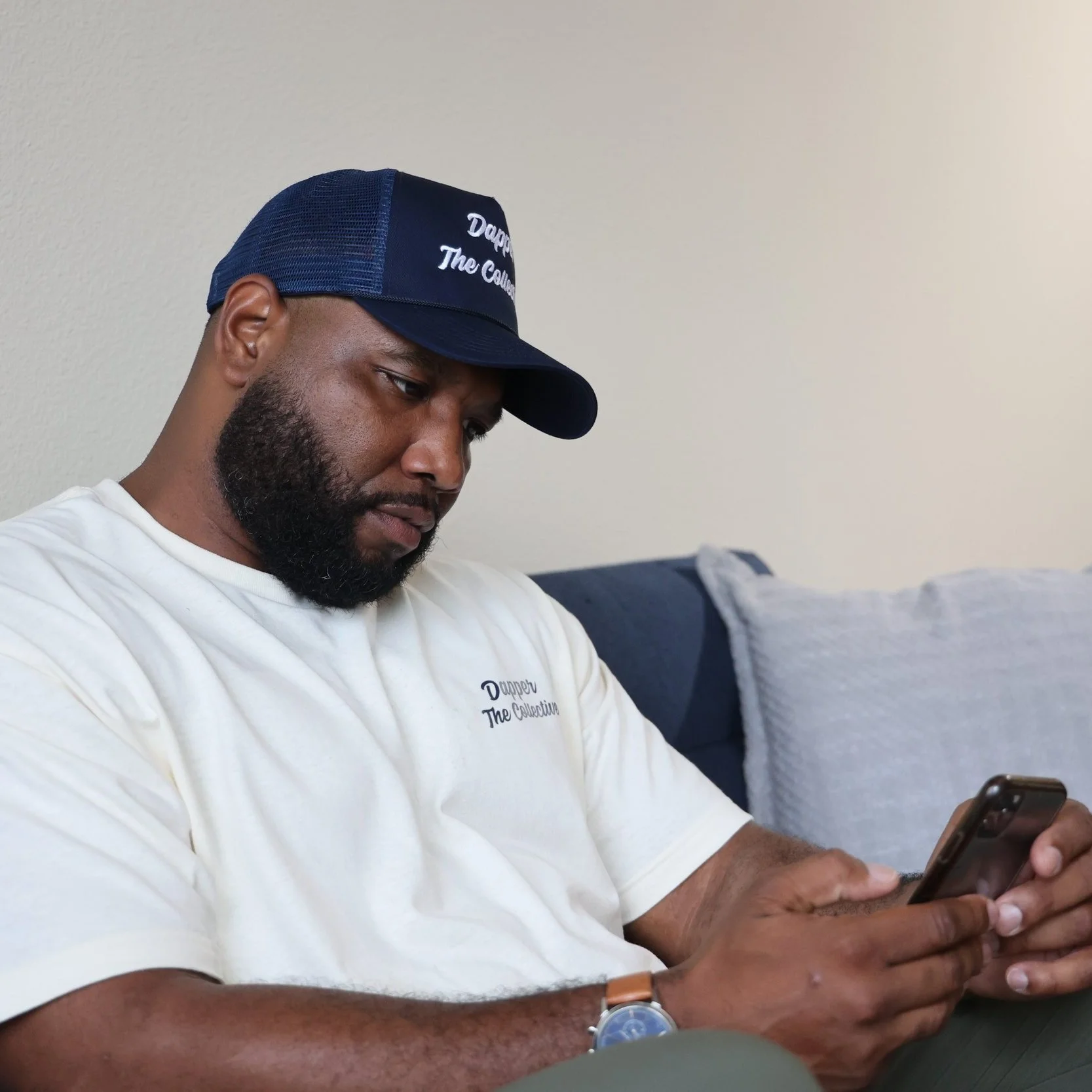
Your Strength Got You Here. Healing Will Take You Further.
Depression speaks in a voice that sounds a lot like reason. It tells you that this heaviness is simply the price of everything you carry and that bearing it quietly is the strongest thing you can do. Your story does not have to end where depression says it does. Schedule your free consultation.