What happened to you matters. And you deserve to heal from it.

You Are Not Here by Accident
Something brought you to this page, and if we had to guess, it's because part of you is tired. Tired of carrying something that happened a long time ago as if it were still happening right now. Tired of the triggers, the hypervigilance, the relationships that feel unsafe, the sleep that never quite restores you. Tired of being told to let it go.
Trauma is not a weakness. It is not something you caused. And it is not something you simply get over with enough time or enough faith. At 180 Evolution Therapy, we understand what trauma does to a person, and we know how to help you heal from it.
What Trauma Can Look Like
Trauma can show up in ways that are not always easy to connect to its source:
Feeling constantly on edge, even when nothing is wrong
Being easily startled or overwhelmed by situations that others seem to handle with ease
Avoiding people, places, or conversations that trigger memories of what happened
Struggling with trust, intimacy, or allowing yourself to be truly known by others
Experiencing flashbacks, nightmares, or intrusive memories that arrive without warning
Feeling numb, disconnected, or like you are watching your own life from a distance
Carrying shame, guilt, or a deep sense that something is fundamentally wrong with you
Using food, substances, busyness, or relationships to manage pain that has no other outlet
If any of this resonates, you are not broken. You are responding to something that happened to you. And with the right support, your nervous system can learn safety again.
Trauma Doesn't Discriminate — But Its Weight Is Not Equal
For Black, Indigenous, and People of Color, trauma often carries layers that go beyond individual experience. Racial trauma. Generational wounds passed down through families who survived things they were never given the language or space to process. The chronic stress of navigating systems and environments that were not built with your safety or dignity in mind.
These experiences are real. They are valid. And they belong in the therapy room. At 180 Evolution Therapy, we have created a space where your full personal, cultural, generational, and spiritual experience is not just acknowledged but actively centered in your healing.
Types of Trauma We Treat
At 180 Evolution Therapy, we support individuals navigating a wide range of traumatic experiences, including:
Childhood trauma and adverse childhood experiences (ACEs)
Racial trauma and race-based stress
Sexual trauma and abuse
Religious and spiritual trauma
Domestic violence and intimate partner violence
Medical trauma
Sudden or traumatic loss
Complex PTSD and repeated relational trauma
Generational and intergenerational trauma
Grief-related trauma
Faith and Trauma
Trauma has a unique way of touching the spirit. It can shake your sense of God's presence, raise questions about why suffering exists, or leave you feeling abandoned by the very faith that once anchored you. For survivors of religious or spiritual trauma, the wounds may be directly connected to the church or spiritual leadership.
At 180 Evolution Therapy, we make space for all of it, the faith that sustains you and the faith that has been shaken. We do not use Scripture to minimize your pain or rush you toward forgiveness before you are ready. We honor your spiritual journey as an essential part of your healing, and we walk it with you with care, honesty, and deep respect.

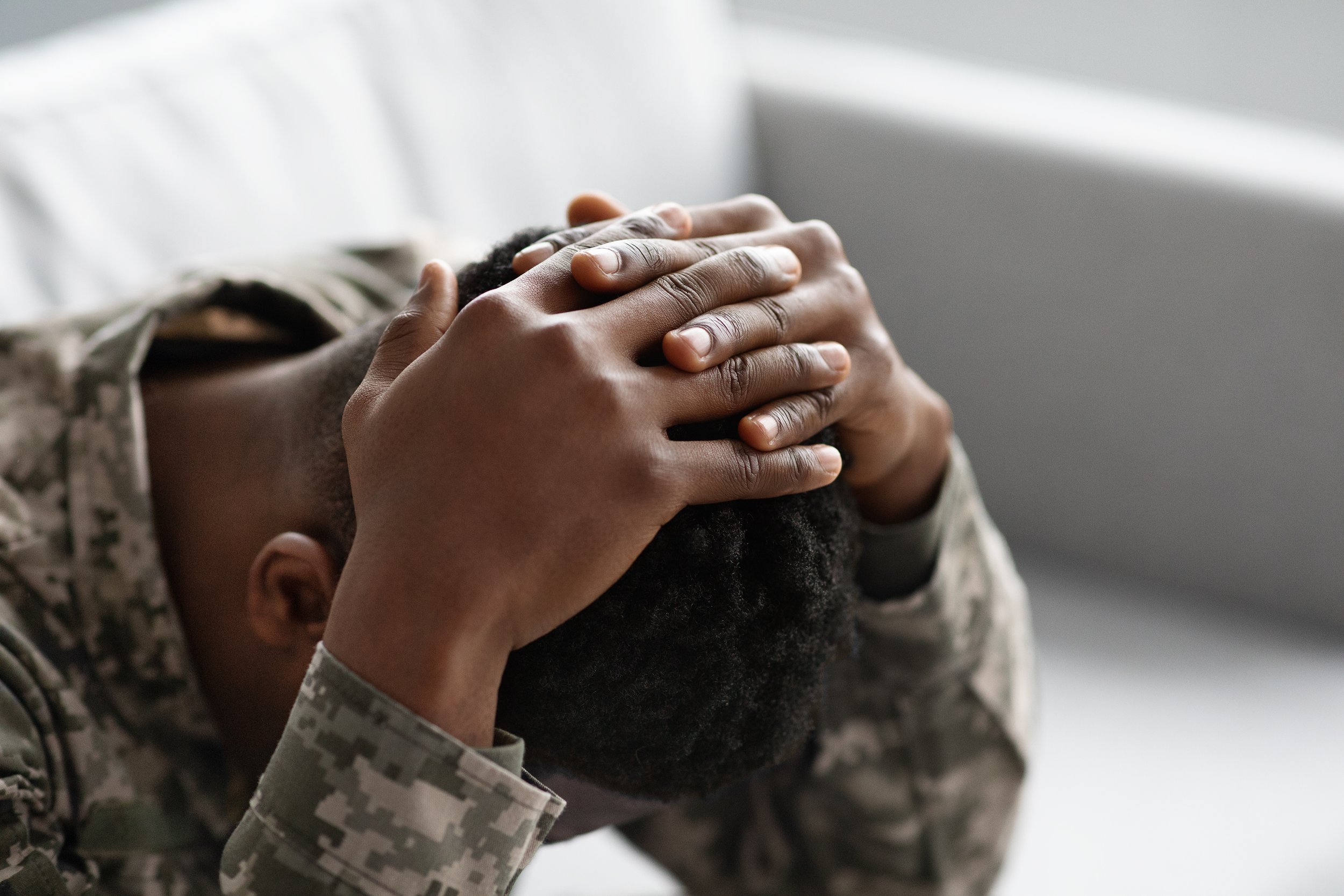
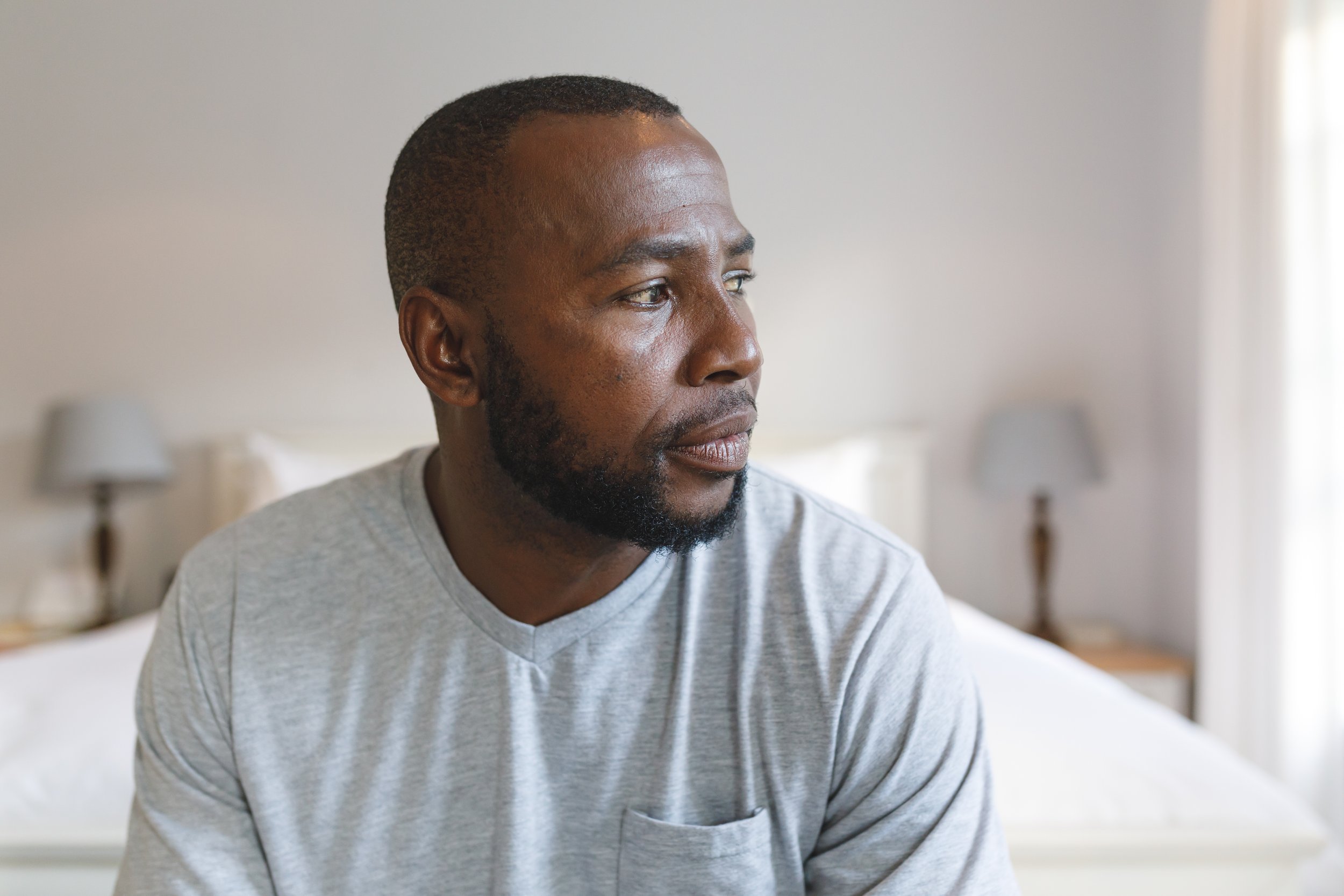
Our Approach to Trauma Therapy
Evidence-Based Treatment
Trauma-Focused Cognitive Behavioral Therapy (TF-CBT): Combines cognitive and behavioral strategies with trauma-specific interventions to address the emotional, psychological, and behavioral effects of trauma. Helps clients process traumatic memories, challenge distorted beliefs, and develop healthier coping skills.
Somatic-Informed Therapy: Recognizes that trauma lives in the body — not just the mind. Through body-aware approaches, we help your nervous system release stored stress responses and learn what safety actually feels like, not just cognitively but physically.
Cognitive Processing Therapy (CPT): Helps clients examine and reframe the unhelpful beliefs that trauma has created about themselves, others, and the world, particularly beliefs rooted in shame, blame, and helplessness.
Acceptance and Commitment Therapy (ACT): Supports you in moving toward a meaningful life even as you process pain, helping you develop psychological flexibility so trauma no longer dictates your choices and relationships.
Mindfulness-Based Cognitive Therapy (MBCT): Cultivates present-moment awareness to help interrupt trauma responses, reduce hypervigilance, and foster a greater sense of internal calm and grounding.
Culturally Centered Therapy: Honors your racial identity, cultural background, spiritual practices, and community context as essential and valid components of your healing, treating your lived experience as a foundation, not a footnote.
Holistic Wellness Practices: Addresses the whole person affected by the trauma while supporting nervous system regulation, physical grounding, and emotional restoration alongside clinical treatment.
The 180° Method and Trauma
Mind - Identifying and gently dismantling the trauma-shaped narratives of shame, worthlessness, and helplessness, and rebuilding a foundation of truth, resilience, and self-compassion.
Spirit - Making space for the spiritual questions, wounds, and disconnection that trauma often brings and supporting your reconnection with faith, meaning, and purpose when you are ready.
Body - Helping your nervous system learn safety, not just knowing you are safe, but finally feeling it through somatic-awareness and body-informed approaches that address where trauma actually lives.
Culture - Centering your racial identity, cultural background, generational wounds, and lived experience as essential context for your healing.
Growth - Rebuilding your sense of agency, your boundaries, your voice, and your vision for a life that is no longer organized around surviving what happened to you.
Community - Addressing the relational impact of trauma, the broken trust, the attachment wounds, the isolation, and rebuilding your capacity for safe, meaningful connection.
Who We Help
We work with individuals across the Triangle and throughout North and South Carolina who are ready to stop surviving their trauma and start healing from it. Our clients include BIPOC individuals carrying personal, racial, and generational trauma, survivors of childhood abuse and adverse childhood experiences, women navigating the aftermath of sexual trauma or intimate partner violence, faith community members processing religious or spiritual wounds, professionals whose high-functioning exterior conceals a nervous system that has never felt safe, parents who want to break generational cycles before they are passed on, and people who have tried to heal alone for years and are finally ready for something different.
If any of that resonates, you are in the right place. Your story is welcome here. And so are you.

You Have Already Survived the Hardest Part. Let Us Help You Heal From It.
Trauma has a way of convincing you that this is just who you are now. What has happened has permanently defined you. That healing is for other people — people whose stories are less complicated and whose wounds are less deep.
None of that is true. Healing is available to you exactly as you are, exactly where you are, with everything you have been through. Schedule your free 15-minute consultation today and take the first step toward a life that is no longer organized around surviving what happened to you.


You May Also Be Dealing With
Anxiety Therapy: When trauma has left your nervous system in a constant state of alert
Depression Therapy: When trauma has settled into persistent sadness, numbness, or hopelessness
Grief Counseling: When trauma is intertwined with profound loss
Christian Counseling: When you want your faith woven into your healing


Frequently asked questions about trauma therapy.
-
Trauma refers to the emotional and psychological impact of a deeply distressing experience. PTSD is a clinical diagnosis that can develop following trauma, characterized by flashbacks, avoidance, hypervigilance, and negative changes in mood and thinking. Not everyone who experiences trauma develops PTSD, but all trauma deserves professional support regardless of diagnosis.
-
Trauma-Focused Cognitive Behavioral Therapy combines cognitive behavioral strategies with trauma-specific interventions to address the emotional and psychological effects of trauma. It helps clients process traumatic memories, challenge unhelpful beliefs, and develop healthier coping skills within a structured, evidence-based framework.
-
Somatic therapy recognizes that trauma is stored in the body, not just the mind. When we experience trauma, our nervous system activates survival responses that can remain stuck long after the danger has passed. Somatic-informed approaches help the body complete those interrupted responses and learn what safety actually feels like physically, not just intellectually.
-
Yes. At 180 Evolution Therapy, we understand that racial trauma, including the chronic stress of racism, discrimination, and systemic inequity, is a real and serious form of trauma that requires culturally affirming, race-conscious care. We are committed to providing a space where BIPOC clients can process racial trauma without having to explain, justify, or minimize their experience.
-
Absolutely. For clients who want to integrate spirituality into their healing, faith can be a powerful source of resilience and grounding. For clients who have experienced religious or spiritual trauma, we approach faith with particular sensitivity and care — honoring your experience without judgment and following your lead entirely.
-
Yes — and avoidance is one of the most common responses to trauma. Trauma therapy is designed to help you approach your experience gradually and safely at a pace that never overwhelms your capacity to cope. You do not have to be ready to talk about everything on day one.
-
Yes. 180 Evolution Therapy accepts several major insurance plans, including Aetna, BCBS, Cigna, MedCost, NC Medicaid, TRICARE, and UnitedHealthcare. Visit our Insurance page or contact us directly to confirm your coverage.
-
Yes. We offer telehealth sessions for clients across North and South Carolina because healing should never be limited by geography, and access to affirming, trauma-informed care should be available to everyone who needs it.